
Each November, people across the United States gather to celebrate Thanksgiving — a holiday centered around gratitude, food, and community. Observed on the fourth Thursday of November, it marks one of the most cherished American traditions and signals the beginning of the winter holiday season.
A Brief History
Thanksgiving’s origins trace back to 1621, when English settlers known as the Pilgrims shared a harvest meal with members of the Wampanoag Nation in what is now Massachusetts. This gathering is often remembered as the “First Thanksgiving,” though of course it was not yet an official holiday. It represented a moment of cooperation and mutual support after a challenging year for the settlers.
Centuries later in 1863, during the American Civil War, President Abraham Lincoln declared Thanksgiving a national holiday, urging Americans to take time for gratitude and reflection even in the midst of hardship. Since then, Thanksgiving has evolved into a day that celebrates appreciation, family, and togetherness, while also encouraging people to give back to their communities.
Modern Traditions
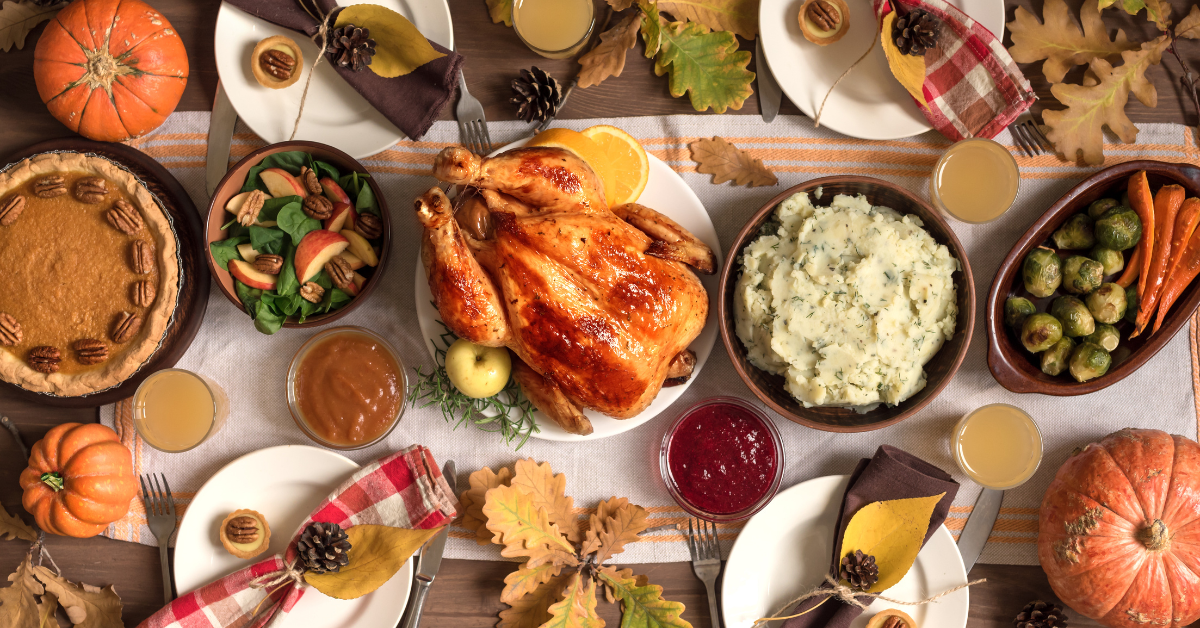
Today, Thanksgiving is a holiday filled with beloved traditions — some historical, others uniquely personal. At the center of most celebrations is the Thanksgiving meal, often featuring roasted turkey, stuffing, mashed potatoes, cranberry sauce, and pumpkin pie. Many families and friends gather around the table to share favorite dishes and express what they are thankful for.
In the morning, millions tune in to watch the Macy’s Thanksgiving Day Parade, famous for its giant balloons, floats, and marching bands. Others enjoy football games, either on television or in local “Turkey Bowl” matches with friends. Beyond the festivities, many people also volunteer at food drives, soup kitchens, or shelters, embodying the spirit of gratitude through acts of service.
In recent years, a newer tradition called “Friendsgiving” has grown popular, especially among college students and young adults. Friendsgiving brings together friends who may live far from home, allowing them to celebrate with chosen family and create their own memories. It’s a reminder that Thanksgiving is about connection, no matter who gathers at the table.
The Spirit of Gratitude and Reflection
At its heart, Thanksgiving is about giving thanks. It offers a moment to slow down, reflect on the passing year, and appreciate our blessings both small and significant — health, friendship, opportunity, and community. For many, it’s also a time to acknowledge and learn about the complex history behind the holiday, including the experiences of Indigenous peoples whose traditions and resilience continue to shape American culture.
Incorporating that awareness adds depth and meaning to the celebration, transforming it into not just a day of gratitude but also one of understanding and respect.
Celebrating in Your Own Way
Whether you’re sharing a meal with family, joining friends for a potluck, volunteering in your community, or simply taking a moment to reflect, Thanksgiving is ultimately about connection and gratitude. No matter how it’s celebrated, its message remains timeless: Take the time to appreciate what you have, the people around you, and the shared joy that comes from giving thanks.
Sign Up for a Turkey Trot
As an active city, Austin is home to many different Turkey Trots — races often held on Thanksgiving morning, typically ranging between 1-5 miles; however, there are some half-marathon options, too! Check out some local Turkey Trots below:
Wherever the season takes you, we hope it brings rest, joy, and connection. Happy Thanksgiving from all of us at ISSS!
This blog post was contributed by Sarah Chiu, program coordinator on the Intercultural Programs and Initiatives team at ISSS.
Leave a Reply